The adventitia, connective tissue anchoring arteries to Circulatory system. White blood cells ward off infection. To protect the body from infection and blood loss. The heart and circulatory system make up your cardiovascular system. Epithelial tissue usually sits on top of a thin layer of connective tissue, called the "basement membrane." Your circulatory system is critical to healthy organs, muscles and tissues. The hearts muscular wall is comprised of cardiomyocytes lined Cardiovascular system's two subsystems of circulation. pulmonary and systemic. Pulmonary circulation. transports blood between heart and lungs for exchange of blood gases. Systemic circulation. transports blood between the heart and the rest of the body. Portal system. through the liver. Cardiac system. The three main components of the cardiovascular system are the blood, the blood vessels and the heart. The muscle is a modified form of skeletal muscle called cardiac muscle. They also take away carbon dioxide and waste. 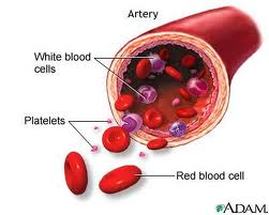 To transport nutrients, gases and waste products around the body.
  Introduction.
 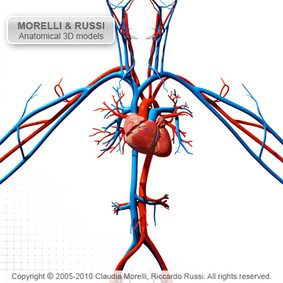 Slide 98HE Heart wall, right atrium & vent, H&E View Virtual Slide. Blood is the fluid that is in continuous movement through all tissues of the body, blood vessels are the conduits for the blood and the heart is the muscular pump that is primarily responsible for driving the flow. transportation of blood between the tissues of the body and the heart. Because it is a vital organ of the human body to sustain life, disease and/or damage of vascular tissue can result in critical health issues. The media, a layer of muscle that lets arteries handle the high pressures from the heart. The arteries carry blood away from the heart; the veins carry it back to the heart. Anat2511 urinary system. What are the three main organs of the cardiovascular system?Blood.blood vessels.Heart. 2. Cardiovascular System The primary function of the heart and blood vessels is to transport oxygen, nutrients, and byproducts of metabolism. cardiac cycle. Your circulatory or cardiovascular system serves a vital function by delivering oxygen and nutrients to all the organs and tissues of your body. En espaol. Vascular Tissue. The heart, as discussed in the previous chapter, pumps blood throughout the body in a network of blood vessels. Tissue and Cell Types in the Cardiovascular System - Google Here you go: This supply of nutrients and the removal of waste is the main function of the cardiovascular system. Spread the love. The cardiovascular system circulates blood throughout your body to transport oxygen and carbon dioxide, nutrients, hormones, and cells to all your organs and tissues. The pacemaker cells normally receive inputs from the nervous system to increase or decrease the heart rate depending on the bodys needs. To help the body maintain a constant body temperature (thermoregulation) 4. The major types of tissues found in the human heart include: Connective tissue: It binds, connects, supports, and separate tissues or organs from each other. It is made up of closely packed cells in one or more layers. Dilation. vessel walls stretching due to increased heart rate and blood pressure. Blood and lymphatic vessels are populated by endothelial and smooth muscle cells arranged in concentric layers separated by fibrous sheaths. circulatory system tissues. A. To help maintain fluid balance within the body. The adventitia, connective tissue anchoring arteries to nearby tissues. Clotting stops the blood from flowing out of the body when a vein or artery is broken. a complete heartbeat and the pathway taken by the blood as a consequence. Interactions between flow and biological cells and tissues are seen throughout the body. cardiovascular system. -heart, blood vessels. -delivers oxygen and nutrients to tissues. -equalizes temperature in the body. Heart. A hollow, muscular organ that pumps blood throughout the body. arteries. blood vessels that carry blood away from the heart. This section is stained either with H&E or with Aldehyde Fuchsin-Masson.You should look at both stains. Cardiac muscle tissue is able to set its own contraction rhythm due to the presence of pacemaker cells that stimulate the other cardiac muscle cells. Virtually every cell, tissue, organ, and system in the body is impacted by the circulatory system. Each artery is a muscular tube lined by smooth tissue and has three layers: The intima, the inner layer lined by a smooth tissue called endothelium. Blood delivers oxygen and nutrients to every cell and removes the carbon dioxide and waste products made by those cells. The heart is the pump and the vessels are the delivery and return system for the blood. What makes up the cardiovascular system? It is essentially a long, closed tube through which blood moves in a double circuitone through the lungs (pulmonary circulation) and one through the rest of the body (systemic circulation). Systemic Circuit: The heart pumps blood to the body through arteries that branch off into smaller blood vessels called arterioles. The heart then sends oxygenated blood through arteries to the rest of the body. In the circulatory system, epithelial tissue can be found in the structure of the arteries, veins, and The beating pumping phase of the heartbeat. Together, these three componentsblood, heart, and vesselsmakes up the cardiovascular system. The media, a layer of muscle that lets arteries handle the high pressures from the heart. This muscular organ functions by pumping blood throughout the body. Causes, symptoms, treatment Cardiovascular system and also 1.2.5 Circulatory System in Humans - SPM Biology. Every tissue in the body, directly or indirectly, receives oxygen and nutrients from blood supplied by the cardiovascular system. The adventitia, connective tissue anchoring arteries to nearby tissues. The veins carry oxygen-poor blood back to the heart to start the circulation process over. The human heart is the central part of the circulatory system. Systole. Cells of the Cardiovascular System. Platelets help the blood to clot. Cardiovascular tissue has an important role in circulating blood for the transport of oxygen, carbon dioxide, nutrients, blood cells, and hormones, to maintain the homeostasis of human body. Red blood cells carry oxygen. Heart wall. Such interactions are intrinsic to the circulatory, respiratory, digestive and genitourinary systems, and are critical to kidney function, the stress response of bone, the provision of neuroendocrine factors to and mechanical protection of the brain, organ development, and many Cardiovascular system: Function, organs, diseases, and more The heart and circulatory system make up your cardiovascular system. The four major functions of the cardiovascular system are: 1. It consists of the heart, which is a muscular pumping device, and a closed system of vessels called arteries, veins, and capillaries. Your heart works as a pump that pushes blood to the organs, tissues, and cells of your body. Each artery is a muscular tube lined by smooth tissue and has three layers: The intima, the inner layer lined by a smooth tissue called endothelium. Your heart works as a pump that pushes blood to the organs, tissues, and cells of your body. cardiovascular system, System of vessels that convey blood to and from tissues throughout the body, bringing nutrients and oxygen and removing wastes and carbon dioxide. Cardiac muscle tissue is a specialized, organized type of tissue that only exists in the heart. Slide 98-N Heart wall, right atrium & vent, trichrome stain View Virtual Slide. What is the vascular system?Arteries. These are blood vessels that carry oxygenated blood away from the heart to the body.Veins. These are blood vessels that carry blood from the body back into the heart.Capillaries. Respiratory system. Digestive system. Kidneys and urinary system. Temperature control. Tissues - The Circulatory System we have 7 Images about Tissues - The Circulatory System like Tissues - The Circulatory System, Cardiovascular system. measure of efficiency of the cardiovascular system. The Cardiovascular System, also known as the Circulatory System, is an organ system that aims to circulate blood to and from cells in the body, transporting nutrients and removing waste. What makes up the cardiovascular system? The circulatory system (cardiovascular system) pumps blood from the heart to the lungs to get oxygen. Your heart and blood vessels, the parts of the cardiovascular system, are important because they bring oxygen, nutrients and other good things to every cell in your body. It consists of the heart and the blood vessels running through the entire body. The cardiovascular system is sometimes called the blood - vascular, or simply the circulatory, system. Epithelial tissue found inside the body is called endothelium. The blood circulatory system (cardiovascular system) delivers nutrients and oxygen to all cells in the body. The heart is a muscle. 3. It is responsible for keeping the heart pumping and blood circulating around the body. This is a type of protective tissue that covers the entire body.