The aim of this article was to review the functional anatomy and physiology of urinary control and micturition and the pathophysiology of urinary control problems.
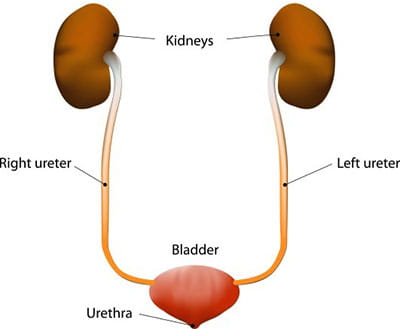 Answer (1 of 2): The ureters The ureters act as conduits for the conduction of urine from the renal pelvis (of each kidney) to the urinary bladder. membranous urethra.
 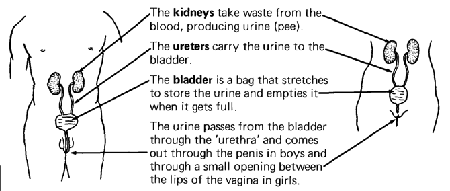 Bladder problems can disrupt day-to-day life. What type of epithelium is found lining the urinary bladder? The ureters are narrow, hollow, muscular tubes, approximately nine inches long, that connect the kidneys to the bladder. renal artery- the renal artery carries a large portion of total blood to the kidneys. Urinary System Parts and Functions. While in a 2D diagram of the urinary system, it is normal to think that the ureters connect with the bladder somewhere on the top, it is not true. The size and position of lower urinary structures vary with male and female anatomy. What is a function of the highlighted organ? The ureter is a tube that carries urine from the kidney to the urinary bladder.
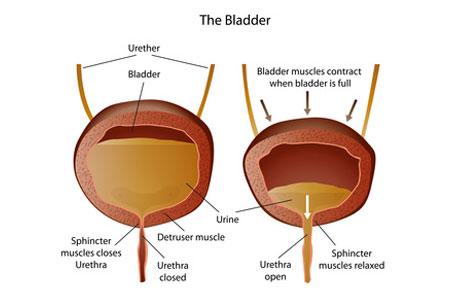
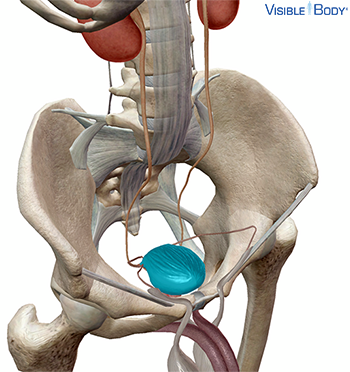 The urinary system's function is to filter blood and create urine as a waste by-product. What is the columnar epithelium? While precise control of the bodys water concentration is a function of several hormones acting on both the kidneys and vascular system, ADH is a key player in this process. Muscles in the ureter walls tighten and relax forcing urine down this tube, away from the kidneys. Urinary bladder is a hollow, muscular and distendible or elastic organ that sits on the pelvic floor. What type of epithelium lines the ureters urinary bladder and part of the urethra and kidneys? What is the purpose of the urinary bladder? The internal face of the detrusor smooth muscle wall of the urinary bladder is covered by a mucosa, separating muscle from the hostile environment of urine. Stress and Urge Urinary Incontinence in Women Normal bladder function is represented by: a frequency 4-6 per day (0-1 at night); 1-2 cups of urine (250-500mls) are passed; voiding can be deferred until convenient; urine is passed in a steady continuous stream until bladder is Urgency (a feeling or need to urinate immediately). Urine is generated by the kidneys and carried to the bladder through the ureters. Once the urine is transported into the bladder it does not flow back due to directional forces of the ureter muscle layers and the flattened ends of the ureters where ureter Men and women have the same upper urinary tract, but their lower urinary tracts are different. A: Hormones are the types of chemical messengers, that are mainly released by several glands. For normal urination to occur, all body parts in the urinary tract need to work together, and in the correct order.
The urinary bladder is a muscular sac in the pelvis, just above and behind the pubic bone.
Its inner lining constricts into the folds and expands out to accommodate liquid. It serves as a barrier, preventing urine (pee) from leaking out into your body. What type of tissue is found lining the ureter and urinary bladder quizlet? The bladder is an organ in your pelvis that is part of the urinary system. The renal pelvis of each kidney drains into a coiled tube called the ureter. In our entire urinary system series, the urinary bladder and Smriti TripathiJul 18, 2020. to collect urine to be voided through urination after the urine is filtered through the kidneys Abstract. An increasing bladder filling increases the afferent neuronal activity of the bladder, this activates the pontine micturition center in the brainstem (pons). Two bean-shaped organs, each about the size of a fist. (i)The renal artery is a blood vessel that carries oxygenated blood from the heart to the kidneys. Other neurogenic bladder symptoms include: A weak or dribbling urinary stream. This group of organs functions to maintain the fluid balance of the body and to filter toxic substances from the bloodstream.
Filling of the bladder triggers the sensation of needing to urinate. The urothelium is a highly specialized type of tissue that lines the inside of your urinary tract. It simply functions to remove urine from body through it's orifice opening i.e urethral orifice. Bladder. 2. What is bladder lining? Bladder capacity and As is the case with most of the pelvic viscera, there are differences between male and female anatomy of the urinary bladder and urethra. to collect and store urine from the kidneys until it can be excreted via urination. Bladder cancer: This is the most common cancer of the urinary system.A biopsy of bladder tissue is required to see how far the cancer has spread, and the spread will determine treatment. It branches off the aorta and travels into the kidney through the hilum. What is the function of the urinary system with the blood? What type of epithelium tissue is found in the urinary bladder? The lower urinary tract contains the bladder and the urethra. What is the anatomy of the bladder? Their function is to: which carries urine from the kidney to the bladder. What type of epithelium is found in the urinary bladder and allows it to stretch and slide to create a barrier? Urinary System Parts and Functions. As urine is made, it moves from the kidneys and down each ureter to the bladder. When people have bladder problems, they may avoid social settings and have a harder time getting tasks done at home or at work. Kidneys. Why are there mucosal folds on the inside of the bladder? It is a vital organ that can cause trouble, like a stone in the urinary bladder, when not taken proper care of. The urinary tracts function is to expel excess liquids and waste from the body. The bladder is an organ of the urinary system. What is bladder lining?
Many people experience bladder control problems, which can usually be managed. To filter the hazardous nitrogenous wastes from the breakdown of proteins such as creatinine and urea. The upper half of UTIs can occur at all ages, although women are particularly at risk and over 50% will experience at least. Urine enters the bladder via the ureters and exits via the urethra. The Urinary Bladder Trigone is a triangular shaped area inside the Urinary Bladder and it is located above urethra. What type of epithelium lines the ureters urinary bladder and part of the urethra and kidneys? In addition to the vascular supply of the urothelium, the capillary plexus serves as a barrier function. More than Stress and Urge Urinary Incontinence in Women Normal bladder function is represented by: a frequency 4-6 per day (0-1 at night); 1-2 cups of urine (250-500mls) are passed; voiding can be deferred until convenient; urine is passed in a steady continuous stream until bladder is Why are there mucosal folds on the inside of the bladder? The urinary system is composed of the kidneys, ureters, urinary bladder, and the urethra. When empty, the bladder is about the size and shape of a pear. Ureter. This can affect their function. Urinary means urine or the formation of urine. The kidneys, ureters, bladder, and urethra are the primary structures of the urinary system. The organs of the urinary system include the kidneys, renal pelvis, ureters, bladder and urethra. Kidneys. Expert Answer: Urinary bladder is an organ of the excretory system. Bladder capacity and When it is full, the brain is signalled to let it out of the body. Urethra to bladder reflexes: Urine flow or mechanical stretching of the urethra cause a stimulation of bladder contractions. Muscles in the ureter walls tighten and relax forcing urine down this tube, away from the kidneys. What type of epithelium tissue is found in the urinary bladder? urinary bladder- it stores urine brought by the 2 ureters. The body takes nutrients from food and converts them to energy. It stores the urine before it's removal from the body. Ureter.
It stores urine until it is ready to empty it (urinate). It also stretches and contracts as your bladder fills and empties. The ureters lead from the kidney to the urinary bladder, where urine is temporarily stored. The urinary system has two parts: the upper urinary tract and the lower urinary tract. Common bladder problems include urinary tract infections, urinary incontinence, and urinary retention. Bladder collagen content and concentration were approximately 70% greater in 5-6 month tight-skin mice than age-matched controls, but bladder mass, protein content, and protein concentration were similar. Muscle changes and changes in the reproductive system can affect bladder control. The bladder stores urine, allowing urination to be infrequent and controlled. The pontine micturition center ( Barrington's nucleus) inhibits the spinal reflexes: this causes the activation of the detrusor muscle and inhibition the urinary sphincter. Advertisement.
The following topics concerning the uro-genital areas may be found in the AMS Information Sheets. What is the Function of the Bladder? Storage is associated with very little increase in intravesical pressure and low bladder wall tension, whilst voiding occurs with a sustained rise of pressure, sufficient to overcome out-flow resistance, due to contraction of detrusor smooth The bladder stores urine, allowing urination to be infrequent and controlled. The contraction and relaxation of the muscles of the urinary bladder allow the urine to pass through the urethra. the purpose of the urinary bladder is that it holds the urine then lets it out if needed Which bird is The urinary bladder, or simply bladder, is a hollow organ in humans and other vertebrates that stores urine from the kidneys before disposal by urination. The urothelium is a highly specialized type of tissue that lines the inside of your urinary tract. In humans the bladder is a distensible organ that sits on the pelvic floor. The urinary bladder is a muscular sac in the pelvis, just above and behind the pubic bone. When storing pee, the bladder's walls relax and expand; when emptying urine through the urethra, they contract and flatten. The triangle-shaped base of the bladder, known as the trigone, helps prevent stretching of the urethra or backflow into the ureters. When signaled, the bladder releases urine through the urethra, the tube that carries urine out of the body. In women, this tube ends between the clitoris and the vagina. An experimental preparation was developed to study fetal bladder function. The kidneys do the filtering and then urine is sent to the bladder where, when there's enough, we get the urge to pee. Double voiding is a useful method for ensuring you completely empty your bladder. To double void, sit on the toilet, leaning slightly forward, and rest your hands on your knees or thighs. Focus on emptying your bladder as much as you can. Then, wait between 20 to 30 seconds. Some people choose to briefly stand up during this time. ureter- it carries urine from kidneys to the urinary bladder.
It is a muscular organ that temporarily stores urine. The Urinary bladder The urinary bladder serves for temporary storage of urine. The bladders muscle wall becomes thicker and therefore the entire bladder becomes stiff, when its empty. From there it branches further to supply blood to the interior components of the kidney. The major function of the urinary bladder includes storing and collecting urine from the kidneys. The urethra is a tube which connects the urinary bladder to the organ of Some signs of a bladder problem may include: An experimental preparation was developed to study fetal bladder function. They store urine, until its excretion via urination. It serves as a barrier, preventing urine (pee) from leaking out into your body. recycling of red blood cells production of parathyroid hormone ureter membranous urethra spongy urethra. The kidneys are part of the urinary system, which includes the ureters, bladder, and urethra. Together, the two kidneys and two ureters make up the upper urinary tract. Submucosa (Lamina Propria) of the Bladder Wall. Answer (1 of 2): The ureters The ureters act as conduits for the conduction of urine from the renal pelvis (of each kidney) to the urinary bladder. These organs work together to produce, transport, store and excrete urine. As you age, your kidneys and bladder change. The urinary bladder is an elastic sac in the pelvic cavity in which urine is collected, and the ureters are the thin tubes about 30 centimetres long which carry the waste liquid to it. The function of the bladder is to collect and store urine from the kidneys before the urine is eliminated through urination.
Urine is made in the kidneys and travels down two tubes called ureters to the bladder. urinary bladder spleen kidneys. In 16 fetal sheep at 120 days' gestation, two distinct types of bladder contractions were identified, one typical of contractions seen after birth and one phasic. The bladder wall is composed of several layers, including the detrusor muscle made up of smooth muscle fibres and elastic connective tissue which enables the bladder to fill without an increase in bladder pressure. Bladder cancer: This is the most common cancer of the urinary system. Bladder compliance: Poor bladder compliance can happen when there is more connective tissue than muscle in the bladder. Cystitis: This is the term used to describe inflammation in the bladder. More items What is the function of the bladder in a fetal pig? A urinary bladder is a sac located behind the pelvic bone. The function of the urinary bladder is to store and expel urine. Brainly User. The urinary tract includes two kidneys, two ureters, a bladder, and a urethra.
The following topics concerning the uro-genital areas may be found in the AMS Information Sheets. There are a pair of kidneys that are purplish-brown and are located below the ribs in the middle of the back. 1. What is epithelial tissue? The urinary bladder has two functions: to store urine, up to 500 ml in the normal adult, and to completely void its content when expeditious. What type of tissue is found lining the ureter and urinary bladder quizlet? Urinary Bladder. Bladder is a sac that serves as a reservoir for fluids. The urinary bladder functions as a reservoir, storing urine and providing continence (Panicker and Fowler, 2010 ). Urine produced by the kidneys flows through the ureters to the urinary bladder, where is it stored before passing into the urethra and exiting the body. The triangle-shaped, hollow organ known as the bladder is situated in the lower abdomen. An indirect approach, using non-catheterized fish, involved spot sampling from the bladder to determine urine composition and measurement of PEG-4000 release into surrounding water to quantify Urine is made in the kidneys and travels down two tubes called ureters to the bladder. The bladder both retains pee and allows for periodic, regulated urination. Urethra It is a muscular tube that connects the bladder with the outside of the body. The bladder lies preperitoneally behind the symphysis, the peritoneum covers parts of the ventral and dorsal wall. A: urinary bladder is part of the urinary system , which helps in storing urine and expelling it . Like any striated muscle the external sphincter of the urinary bladder is voluntarily controlled via the pyramidal tract and the extrapyramidal system.
What is the primary function of the highlighted structures? Urinary bladder. What is epithelial tissue? This reflex has an important function in complete bladder emptying. Each kidney has its own ureter through which urine passes. Two different approaches were employed to examine the possible urine storage and ionoregulatory functions of the urinary bladder in vivo in the freshwater trout. What type of tissue is found lining the ureter and urinary bladder quizlet? As discussed, muscles in the bladder expand to increase storage capacity. However, the mucosa is more than a very low permeability structure and offers a sensory function that monitors the extent of bladder filling and composition of the urine. What is the function of the urinary system with the water? The It works with the kidneys to rid the body of waste products from the blood. Painful urination, which may mean there is a urinary tract infection. Kidneys Filter Blood at the Top of the Urinary System. The urinary bladder is a delicate organ of our body, which serves the function of storing urine or waste fluids that come out of the Kidneys. The urinary bladder temporarily stores the urine. Like the stomach, the human bladder is a sac-like organ that expands and contracts when emptying. They filter blood and remove waste from the body in the form of urine. What type of tissue is found lining the ureter and urinary bladder quizlet? Figure 1. Urinary leakage. it Q: When is the juxtaglomerular apparatus used? The bladder collects and expels urine from the body. What is the columnar epithelium? An average of 300mL to 500mL of urine can be stored in a typical human bladder. Frequent urination (urinating eight or more times daily). Where is urine stored in a fetal pig? The bladder is one of four parts of the urinary tract. What type of epithelium is found lining the urinary bladder? It plays two main roles: Temporary storage of urine the bladder is a hollow organ with distensible walls. The cats urinary tract is a system made up of the kidneys, ureters, urinary bladder and urethra. The urinary bladder has two functions: to store urine, up to 500 ml in the normal adult, and to completely void its content when expeditious. More than The urinary bladder is a hollow muscular organ in the abdominal cavity, situated on the pelvic region, that acts to store and release urine into What is the anatomy of the bladder? The bladders flexible walls stretch and contract to hold urine until it is expelled from the body through the urethra . Storage is associated with very little increase in intravesical pressure and low bladder wall tension, whilst voiding occurs with a sustained rise of pressure, sufficient to overcome out-flow resistance, due to contraction of detrusor smooth This is achieved by inhibition of bladder contraction whilst there is ongoing conscious appreciation of the extent of bladder filling and an assessment of the appropriateness of when to void. The urinary tract is the bodys drainage system for removing urine, which is made up of wastes and extra fluid. The bladder is an expandable saclike organ that contracts once its empty, just like the stomach. The bladder stores urine, allowing urination to be infrequent and controlled. The urinary bladder is a hollow, muscular organ that rests on the pelvic floor. There are a pair of kidneys that are purplish-brown and are located below the ribs in the middle of the back. A urethra is a small tube that extends from the bladder to the penis is males and an opening anterior to the vagina in women. Urinary Tract Infection (UTI) Urinary tract infections (UTIs) are a common and usually mild infection that can affect the bladder, urethra, ureters and kidneys. Amount of kidney tissue decreases and kidney function diminishes. In 16 fetal sheep at 120 days' gestation, two distinct types of bladder contractions were identified, one typical of contractions seen after birth and one phasic. There are two ureters, one attached to each kidney. The submucosa of the urothelium consists of connective tissue (collagen, elastin and other extracellular matrix proteins). The space anterior to the bladder and behind the abdominal wall is called retropubic space (space of retzius).
Ligaments connected to the pelvic bones hold it in place. The bladder neck surrounds the bladder trigone (see below). The Urinary bladder The urinary bladder serves for temporary storage of urine.
It also stretches and contracts as your bladder fills and empties. It is also lined with transitional epithelium. Kidneys. The urinary bladder and urethra are pelvic urinary organs whose respective functions are to store and expel urine outside of the body in the act of micturition (urination). The ureter is a tube that carries urine from the kidney to the urinary bladder. What type of epithelium is found in the urinary bladder and allows it to stretch and slide to create a barrier? There are two ureters, one attached to each kidney. The urinary system is the system that filters the blood, removing waste and excess water, and eliminates them through the creation of urine. When empty, the bladder is about the size and shape of a pear. The urinary bladder is a hollow elastic organ that functions as the bodys urine storage tank. Adjacent organs of the urinary bladder. It has a folded internal lining (known as rugae), which allows it to accommodate up Function of Urinary System. Function of Urinary System. remove wastes from blood to form urine and the excrete it. remove nitrogenous waste products of cellular metabolism. regulates fluid and electrolytes balance- kidneys play a major. urine produced with filtration of blood through nephron. Function of Urinary System. kidney- the main function of kidney is to remove waste materials and water from the blood. Urethra. Beneath the urothelium, there is a dense capillary plexus. The urinary bladder is a hollow muscular organ that has two main purposes: to store urine and to void urine. kidneys. Their function is to: which carries urine from the kidney to the bladder. Simply put, the bladder is a reservoir for urine. In severe cases, the bladder may be removed, with urine diverted to the bowel or collected with an exterior device.