By dialysis modality, mortality rates were 166 for hemodialysis (HD) patients and 154 for peritoneal Between 2001 and 2016, adjusted mortality rates decreased for dialysis patients by 29%. In a retrospective study, all-cause mortality over 72 months occurred in 429 of 1166 patients (36.8%) with low PTH and 284 of 1116 patients (25.5%) with high PTH. Hemodiafiltration vs. hemodialysis: Comparing mortality risk. Amongst the causes of increased mortality, Wu et al [ 9 ] have demonstrated that peritonitis-related mortality is significantly increased in the elderly as compared to younger patients. This study aimed to compare the survival outcomes of patients with end-stage renal disease (ESRD) who started dialysis with HD and PD in Singapore. Protein-energy wasting modifies the association of ghrelin with inflammation, leptin, and mortality in hemodialysis patients. Peritoneal dialysis (PD)-associated peritonitis is a serious complication of PD, 1,2 which is a critically important outcome to all key stakeholders including patients, caregivers, clinicians, researchers and policymakers. Other vari- S64 PDI FEBRUARY 2009 VOL. Renal centers in England, Wales, and Northern Ireland report a higher dosage requirement in 2009 for erythropoietin stimulating agent in kidney transplant patients managed with hemodialysis therapy than for patients on peritoneal dialysis. This study aimed to compare the survival outcomes of patients with end-stage renal disease (ESRD) who started dialysis with HD and PD in Singapore.
Rather than using a machine, peritoneal dialysis uses the lining on the inside of the belly as a natural filter for blood. (The MACE composite here differ s patient-years. Am J Kidney Dis 1996; 28 (6): 937-42. Evidence suggests other benefits of HHD, including a lower mortality rate [20,21,22,23,24,25] and a quicker recovery time compared with ICHD .  Risk of infections: Both hemodialysis and peritoneal Dialysis patients are prone to infections but of different types.
  Clin 40. La Biblioteca Virtual en Salud es una coleccin de fuentes de informacin cientfica y tcnica en salud organizada y almacenada en formato electrnico en la Regin de Amrica Latina y el Caribe, accesible de forma universal en Internet de modo compatible con las bases internacionales. Although continuous peritoneal dialysis was associated with significantly lower mortality rates relative to hemodialysis after adjusting for known prognostic factors, the potential impact of unmeasured patient characteristics must be considered. Since the publication of the first KDOQI nutrition guideline, there has been a great accumulation of new evidence regarding the management of nutritional aspects of kidney disease and Comparisons of outcomes between in-center hemodialysis (HD) and peritoneal dialysis (PD) are subject to selection bias, based on patient and provider preferences and local resources,1 with HD most often being the default initial modality. There are two major types of dialysis: hemodialysis and peritoneal dialysis. A key limitation of prior research is that study patients were not restricted to those eligible for both therapies. Other vari- S64 PDI FEBRUARY 2009 VOL. Forced diuresis, peritoneal dialysis, hemodialysis, or charcoal hemoperfusion have not been established as beneficial for an overdose of cephalexin.
  Sreedhara R, Avram MM, Blanco M, Batish R, Mittman N. Prealbumin is the best nutritional predictor of survival in hemodialysis and peritoneal dialysis.
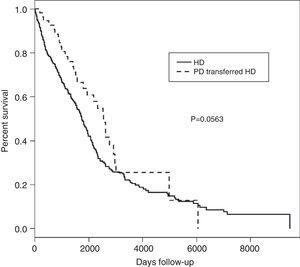
  CiteSeerX - Scientific documents that cite the following paper: Manen JG, Boeschoten EW, et al. Hemodialysis uses needles and tubes to draw blood continuously through a special machine that uses a semi-permeable screen to filter blood before returning it to the body. Use of Icodextrin during nocturnal automated peritoneal dialysis allows sustained ultrafiltration while reducing the peritoneal glucose load: a randomized crossover study. Supplement 2008 Apr; Dialysis outcomes in Colombia (DOC) study: a comparison of patient survival on peritoneal dialysis vs hemodialysis in Colombia. 500x520 mm. The 5-year survival for patients receiving HD and PD is 42% and 52%, respectively. By dialysis modality, mortality rates were 166 for hemodialysis (HD) patients and 154 for peritoneal dialysis (PD) patients, per 1,000 patient-years (Figure 5.1). Peer-reviewed articles cover topics in oncology, trauma, gastrointestinal, vascular, and transplantation surgery.The journal also Cancer mortality rates are higher among the dialysis population than the general population, a new Australian study finds. Which one is better for me?, is a question that patients about to start dialysis at our dialysis center often ask me. Adjusted odds ratios accounted for age, sex, and race/ethnicity. 29, SUPPL. The HD membrane is synthetic while in PD it is biologic. For the treatment of peritoneal dialysis-related peritonitis. Objective End-stage renal disease (ESRD) leads to renal replacement therapy and certainly has an impact on patients health-related quality of life (HRQoL). To address the impact of selection bias, this study compared mortality by initial dialysis modality among patients who had ESRD and were placed on the transplant waiting list. Once infected with COVID19, these patients will have higher risks for morbidity and mortality. Dr. Tom Forbes Incoming Editor-in-Chief. The present study was performed to investigate (1) whether, and if so, how, PD and HD prognosis had changed in recent years, (2) whether a potential survival advantage of PD versus HD is constant over dialysis duration, and (3) whether differences in prognosis could be explained by patient age, renal diagnosis of diabetic nephropathy, or mode of Summary: PD is a safe and effective option for patients with kidney failure who need dialysis. The net reductions in mortality from 2001 to 2016 were 28% for HD patients and 43% for PD patients (Figure 5.1). Documents; Authors; Tables; Documents: Advanced Search causing considerable mortality and increased healthcare expenditures. ISSN 2002-4436. Comparisons of outcomes between in-center hemodialysis (HD) and peritoneal dialysis (PD) are confounded by selection bias because PD patients are typically younger and healthier and may have received longer predialysis care. What are Survival Rates for Patients on Dialysis?Patient Demographics. As expected, survival for patients on dialysis declines with increasing age. Dialysis Vintage. The mortality rate of patients with ESKD also depends on the time since initiation of dialysis. Burden of Cardiovascular Disease. Dialysis Modality: HD vs PD. Visit One News Page for We The People Are The Cure news and videos from around the world, aggregated from leading sources including newswires, newspapers and broadcast media. BMC Nephrol. We feel honored to safely and comfortably transport these patients to their appointments and back home each week. According to a 2019 research article published by the American Journal of Nephrology, those who chose to do peritoneal dialysis (PD) have a 66% lower risk of loosing their kidney functions versus those who are on Hemodialysis (HD) therapy. Comparison of cardiovascular mortality in hemodialysis versus peritoneal dialysis. For levels in patients undergoing hemodialysis (HD) and continuous peritoneal dialysis patients, CAPD involved four or five dwells ambulatory peritoneal dialysis (CAPD), to compare these values per day of 2-2.5 liters per dwell. 1500 W. Size (LxWxH) 380mmx400mmx1380mm. This study intended to compare the differences in HRQoL between peritoneal dialysis (PD) and hemodialysis (HD) and to evaluate the effects of dialysis modality on patient HRQoL. Association of body size with outcomes among patients beginning dialysis. This difference in survival can be attributed to the higher rates of cardiovascular and infectious complications associated with ESRD (1).
The mean age was 13 years (range 2 to 20 years). Skilled and updated peritoneal dialysis protocols must be prescribed to assure better survival. As a provider of non-emergency medical transportation, we have many clients that require weekly trips to dialyses treatments. A study by Sens found that the risk of mortality was elevated in patients with ESRD and congestive heart failure who received peritoneal dialysis compared with those who received hemodialysis. Background. Dialysis: hemodialysis or peritoneal dialysis; Transplantation.
Association between treatment choice and outcome in the elderly with end-stage renal disease (ESRD)Couchoud et al. compared the mortality of peritoneal dialysis (PD) and hemodialysis (HD) patients. Comparing mortality of peritoneal and hemodialysis patients in the first 2 years of dialysis therapy: a marginal structural model analysis Tools. Peritoneal dialysis, on the other hand, requires a catheter, or piece of tubing, placed in your belly. Persons who receive transplants have a survival rate of about 80% after 5 years. 2 studied the association between initial dialysis modality and 2-year patient survival in a cohort of 3512 elderly ESRD patients. Pooled PD versus HD mortality hazard ratios (HRs) and 95% confidence intervals (CIs) were estimated through random-effects meta-analysis. Patients receiving peritoneal dialysis or hemodialysis treatment; Patients with biliary pancreatitis, chemical pneumonitis or heat stroke; Patients with invasive fungal infections (e.g., candidias aspergillosis) or acute attacks of plasmodium falciparum malaria; Neonates during the first 2 days of life. View PubMed entry Read the full article in NDT Parapiboon W, Sangsuk J, Nopsopon T, et al. Dr. Thomas L. Forbes is the Surgeon-in-Chief and James Wallace McCutcheon Chair of the Sprott Department of Surgery at the University Health Network, and Professor of Surgery in the Temerty Faculty of The aim of the study was to determine the association between BMI and mortality in the PD popula-tion using the Clinical Research Center (CRC) registry for end-stage renal disease (ESRD) cohort in Korea. Doctor, please tell me about peritoneal dialysis vs hemodialysis. Methods This 12-year nationwide retrospective study was conducted to compare long-term outcomes (including admission and mortality risks) between An estimated 862,000 persons in the US are living with chronic infection with hepatitis B virus (HBV). Although peritoneal dialysis (PD) costs less to the health care system compared to in-center hemodialysis (HD), it is an underused therapy. Several recent large-scale epidemiological studies comparing mortality among end-stage renal disease (ESRD) patients receiving hemodialysis (HD) versus peritoneal dialysis (PD) show conflicting results. In: Perit Dial Int., 2014 Jan 2. . The total life expectancy of an individual with end stage renal disease (ESRD) is only one-fourth to one-fifth that of the general population (1). CiteSeerX - Scientific documents that cite the following paper: The differential impact of risk factors on mortality in hemodialysis and peritoneal dialysis, and optimization of dialysis appear to be the most important methods to treat HF in CKD and ESRD patients. The study randomized patients to one of three doses of Venofer (0.5 mg/kg, 1 mg/kg or 2 mg/kg). Example 1. Overall survival was 80.2%. KEFLEX is contraindicated in patients with known hypersensitivity to cephalexin or other members of the cephalosporin class of antibacterial drugs. During home PD, dialysate fluid is placed in your peritoneal cavity using a peritoneal catheter either manually or by using a machine called a cycler. This study aimed to review and compare the HRQoL between peritoneal dialysis (PD) and hemodialysis (HD) patients using the 36-Item Short Form Health Survey (SF-36), EuroQoL-5-dimension (EQ-5D) and the Over the last 15 years, many observational studies have compared mortality outcomes in patients using peritoneal dialysis (PD) vs hemodialysis (HD). In Press 2017. Neither modality has been consistently shown to confer a clear benefit to patient survival. Optimized volume control, glucose-sparing peritoneal dialysis regimens, and elective use of icodextrin are key therapy strategies. Measurement of Serum Uric Acid for Prediction of Cardiovascular or All-Cause Mortality in Hemodialysis Patients. The analysis of the results showed that the surviving patients were younger than the deceased patients (43.0713.52 years versus 53.0913.56 years, p=0.001). Peritoneal dialysis seems to be associated with 48% lower mortality than hemodialysis over the first 2 years of dialysis therapy independent of modality switches or differential transplantation rates. Tools. Most studies show that the relative risk of death in patients on in-center HD versus PD changes over time with a lower risk on PD, especially in the first 3 months of dialysis. I n part 2 of this 2-part episode, James Matera, DO, FACOI, speaks about the infrastructure required for urgent-start peritoneal dialysis (PD) and the urgent-start PD clinical pathway from patient presentation to discharge home. This process is called filling. Peritoneal dialysis may be associated with similar mortality outcomes as HD, and patient-reported outcomes are potentially Methods Survival data for a
The biggest difference in hemodialysis vs peritoneal dialysis is that hemodialysis requires an artificial kidney machine to filter blood while peritoneal dialysis does not. [ Links ] 61. Am J Kidney Dis . Effects of increased peritoneal clearances on mortality rates in peritoneal dialysis: ADEMEX, a prospective, randomized, controlled trial. July 2021; International Urology and Nephrology 53(8):3 In patients undergoing hemodialysis, approximately 68% of the total amount of Cefepime present in the body at the start of dialysis will be removed during a 3-hour Randomized study of urgent-start peritoneal dialysis vs urgent-start temporary hemodialysis in patients transitioning to kidney failure. Objective: The percentage of prevalent end-stage renal disease (ESRD) patients maintained on chronic peritoneal dialysis (CPD) therapy in the United States declined from 15 % in 1991 to 8.1 % in 2002. In 2008, the Unit of Nephrology and Dialysis of the Healthcare Trust of the Autonomous Province of Trento implemented a successful PD program which has increased the proportion In this development program, MACE include d the following events: all-cause mortality (ACM), non-fatal myocardial infarction (MI), and non-fatal stroke. In this paper, we undertake a critical review of these studies. 2019, 20, 52. Unfortunately, many patients are not On the other hand, a meta-analysis by Han et al have demonstrated a small increased risk of mortality with hemodialysis vs PD in the elderly (HR: 1.10 95% CI, 1.01 to 1.20). Although peritoneal dialysis (PD) costs less to the health care system compared to in-center hemodialysis (HD), it is an underused therapy. CRP, measured a median of 5 months from the initiation of dialysis, was significantly higher in the hemodialysis patients than in the peritoneal dialysis patients (3.92 mg/l vs 3.18 mg/l; P <0.005). Antiviral treatment might be effective in reducing morbidity and mortality in hospitalized influenza patients, especially adults, even if treatment is started more than 48 hours after onset of illness. P. Cotovoio et al. Peritoneal dialysis is not a good option for obese patients or people who have abdominal scarring. 2 PROCEEDINGS OF THE 12TH CONGRESS OF THE ISPD GABRIEL et al. October 24, 2011. HD removes fluid using hydrostatic pressure while PD uses osmotic and oncotic pressure to achieve that goal. Peritoneal dialysis (PD) is valuable for patients newly requiring RRT because of the preservation of residual renal function (RRF), higher quality of life, and hemodynamic stability in comparison Chronic kidney disease (CKD) is a type of kidney disease in which there is gradual loss of kidney function over a period of months to years. Predialysis intervention with early nephrology referral, patient education, and multidisciplinary support are recommended. The Journal of Emergency Medicine is an international, peer-reviewed publication featuring original contributions of interest to both the academic and practicing emergency physician.JEM, published monthly, contains research papers and clinical studies as well as articles focusing on the training of emergency physicians and on the practice of emergency Neither modality has been consistently shown to confer a clear benefit to patient survival. DOI: 10.15347/wjm/2014.010 . For 66 years, Surgery has published practical, authoritative information about procedures, clinical advances, and major trends shaping general surgery.Each issue features original scientific contributions and clinical reports. Among the propensity-matched cohorts, crude and adjusted odds ratio of mortality in peritoneal dialysis (PD) versus hemodialysis (HD) at 6 months, 1 year, or 2 years. Background Studies comparing patient survival of hemodialysis (HD) and peritoneal dialysis (PD) have yielded conflicting results and no such study was from South-East Asia. Cardiovascular diseases are the leading cause of mortality in CKD, especially in end stage renal disease patients. Am J Clin Nutr 2004;80:32432. Mortality in end-stage renal disease: a reassessment of differences between patients treated with hemodialysis and peritoneal dialysis, (1999) by E F Vonesh, J Moran Venue: Journal of the American Society of Nephrology, Add To MetaCart. Background: Although peritoneal dialysis (PD) costs less to the health care system compared to in-center hemodialysis (HD), it is an underused therapy. These are extensively recommended by various numbers of clients owing to its accurate dimensions, durability and longer service life.. "/> (TBMM) and limb skeletal muscle mass in hemodialysis patients. The National Kidney Foundations Kidney Disease Outcomes Quality Initiative (KDOQI) has provided evidence-based guidelines for nutrition in kidney diseases since 1999. Mortality in end-stage renal disease: a reassessment of differences between patients treated with hemodialysis and peritoneal dialysis, (1999) by E F Vonesh, J Moran Venue: Journal of the American Society of Nephrology, Add To MetaCart. : Better Outcomes of Peritoneal Dialysis in Diabetic Patients in spite of Risk of Loss of Autonomy for Home Dialysis. After these first 2 years, mortality risk increases for those who started on peritoneal dialysis and patient survival becomes similar for haemodialysis and peritoneal dialysis patients, or even somewhat better for patients on haemodialysis . Results. It offers several advantages over in-center hemodialysis and may be the right option for many people. Anemia is a common complication in chronic kidney disease (CKD), and is associated with a reduced quality of life (1, 2), a worse renal survival (), an increase in morbidity and mortality (4, 5), and higher costs ().Several studies focused on prevalence of anemia on CKD non-dialysis dependent (NDD) report variable anemia rates up to June 21, 2013. Background There are conflicting research results about the survival differences between hemodialysis(HD) and peritoneal dialysis (PD). Numerous studies have shown that hemodialysis and peritoneal dialysis are associated with similar survival among patients with ESKD. For patients with risk factors for gram-negative resistance or with a high mortality risk, add a second non-beta-lactam agent with antipseudomonal activity (i.e., quinolone, aminoglycoside, polymyxin). 1 Persons born in regions with a prevalence of HBV infection of 2% or greater, such as countries in Africa and Asia, the Pacific Islands, and parts of South America, often become infected at birth and account for up to 95% of newly reported chronic infections Epidemiology & Community Health; Medicine - Renal and Hypertension Division; Research output: Contribution to journal Article peer-review Patients with suspected or confirmed COVID19 in outpatient HD facilities may have to be triaged to a hospital with isolation wards for dialysis, resulting in a shortage of dialysis machines, dialysates, wards, and healthcare workers.